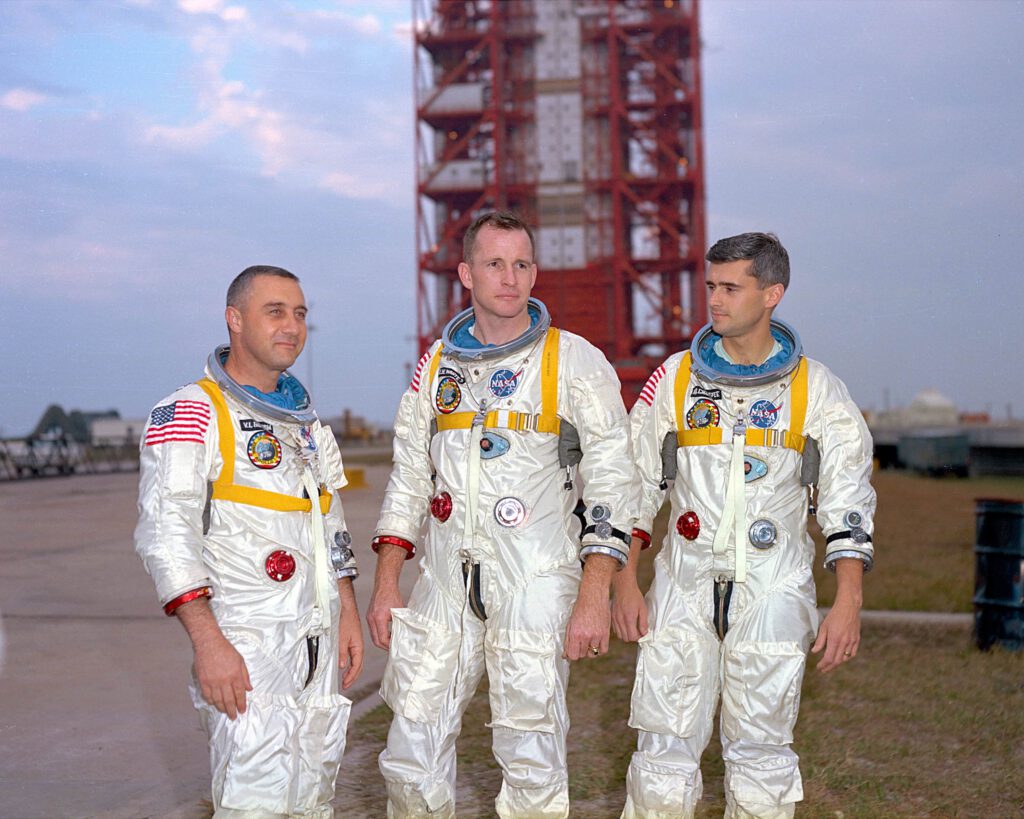
Remembering the day three brave souls lost their lives. They knew the risks. They accepted the risks of flight.
All three were test pilots: Virgil I. “Gus” Grissom, Edward H. White II, and Roger B. Chaffee. Grissom and White were veterans of spaceflight. Chaffee was the rookie, preparing for his first mission.
The crew was participating in what was thought to be a routine dress rehearsal for launch. It was considered safe—the rocket would not leave the launch pad that day. The Saturn IB was unfueled. What could possibly go wrong?
Inside the capsule, however, conditions mirrored those of launch day. The spacecraft was pressurized with 100 percent oxygen.
Something happened. A spark. A fire. In seconds, three lives were lost.
January 27, 1967.
Ad Astra — Apollo 1 crew.
“If we die, we want people to accept it. We’re in a risky business…”
Crew-11 Returns to Earth Tonight After Early Mission Conclusion
NASA and SpaceX’s Crew-11 is on its way home tonight following an early conclusion to its mission aboard the International Space Station.
The crew launched in August aboard SpaceX’s Crew Dragon Endeavour and had been scheduled to remain on station into mid-February. NASA announced the decision to return the crew early due to a medical concern affecting one crew member. The agency has stated the astronaut is stable, and the return is being conducted out of an abundance of caution to allow further evaluation on Earth.
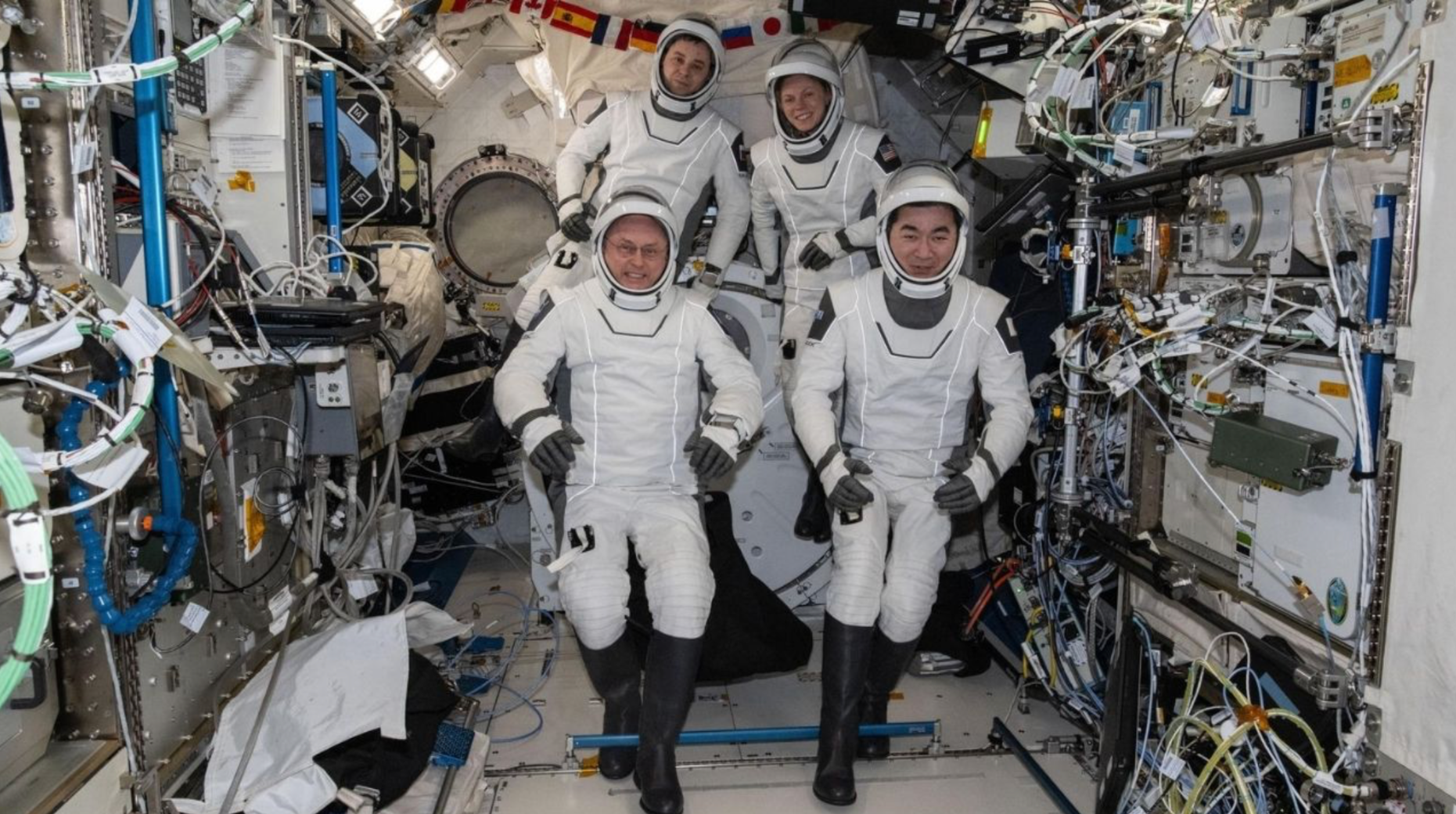
The Crew-11 team includes NASA astronauts Zena Cardman and Mike Fincke, JAXA astronaut Kimiya Yui, and Roscosmos cosmonaut Oleg Platonov. Their return highlights the flexibility of modern commercial crew systems and NASA’s continued emphasis on astronaut safety.
This marks the first time an ISS crew has returned early specifically for medical reasons, demonstrating how SpaceX’s Crew Dragon enables responsive mission planning when circumstances change.
NASA and SpaceX teams are monitoring spacecraft systems, weather conditions, and recovery operations in real time. The crew remains in good condition as Dragon autonomously manages its return profile.
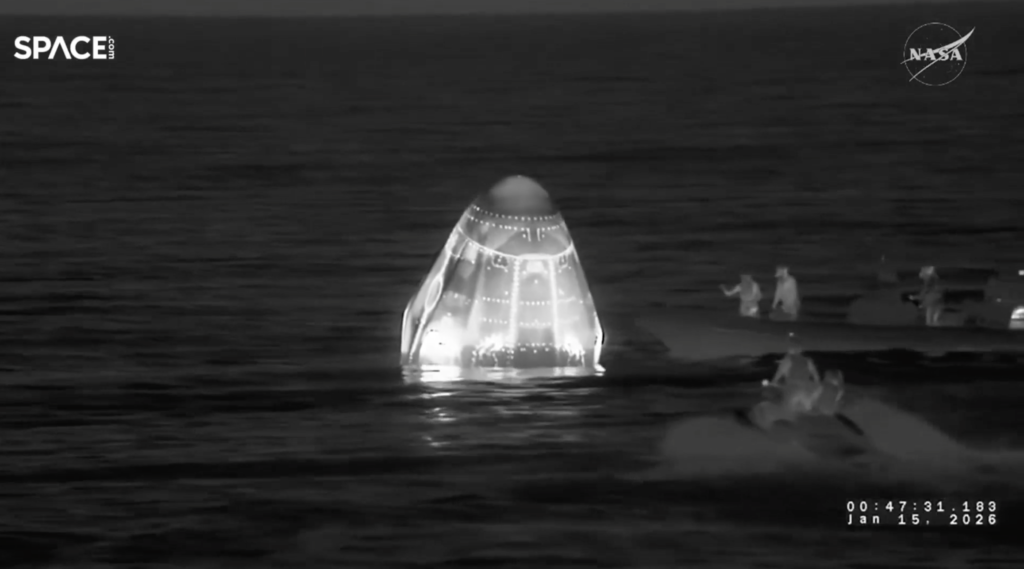
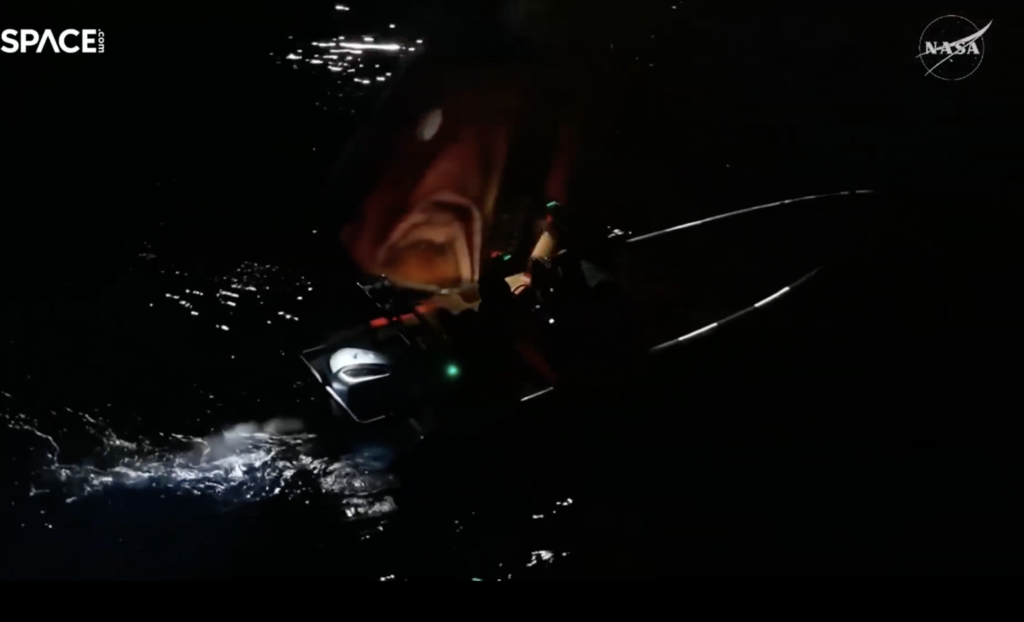
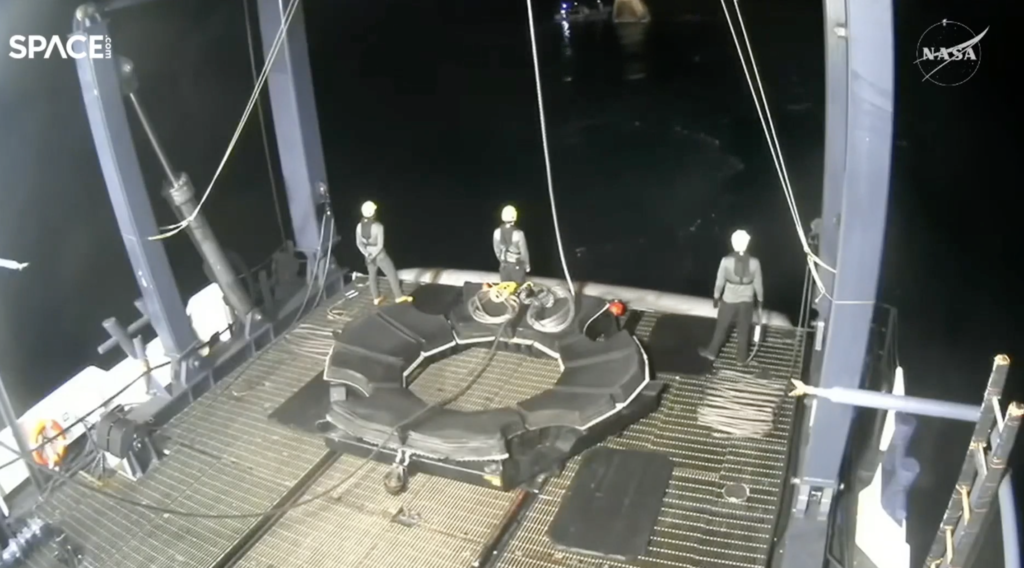
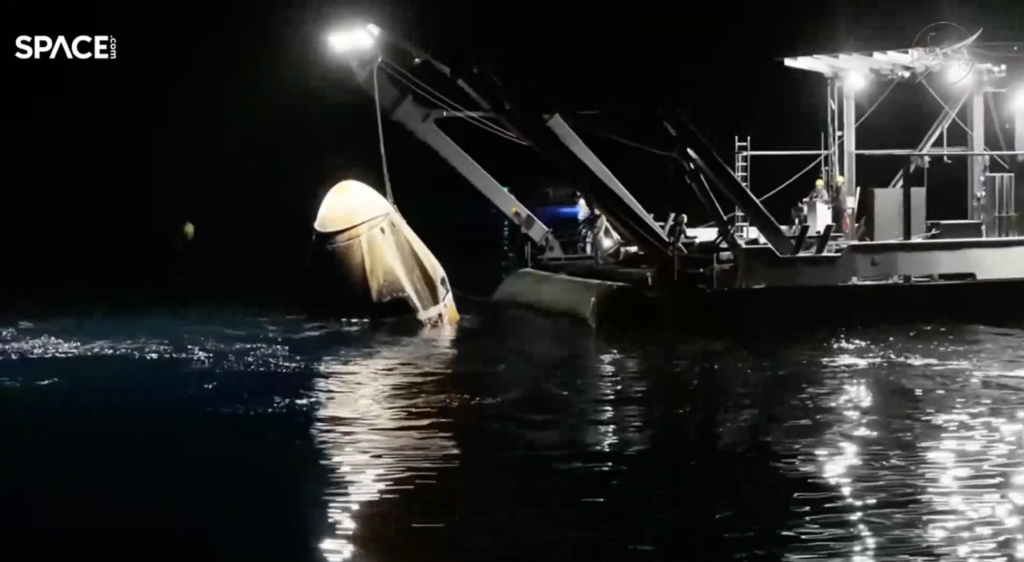
UPDATE: Crew-11 has safely splashed down in the Pacific Ocean. Recovery teams are approaching the capsule, and the crew will be transported for routine post-flight medical evaluations. Welcome home!
5:20 p.m. ET: Physical separation and undocking from the ISS Harmony module.
5:25 p.m. ET: Dragon performs departure burns to move away from the station.
Thursday, January 15, 2026
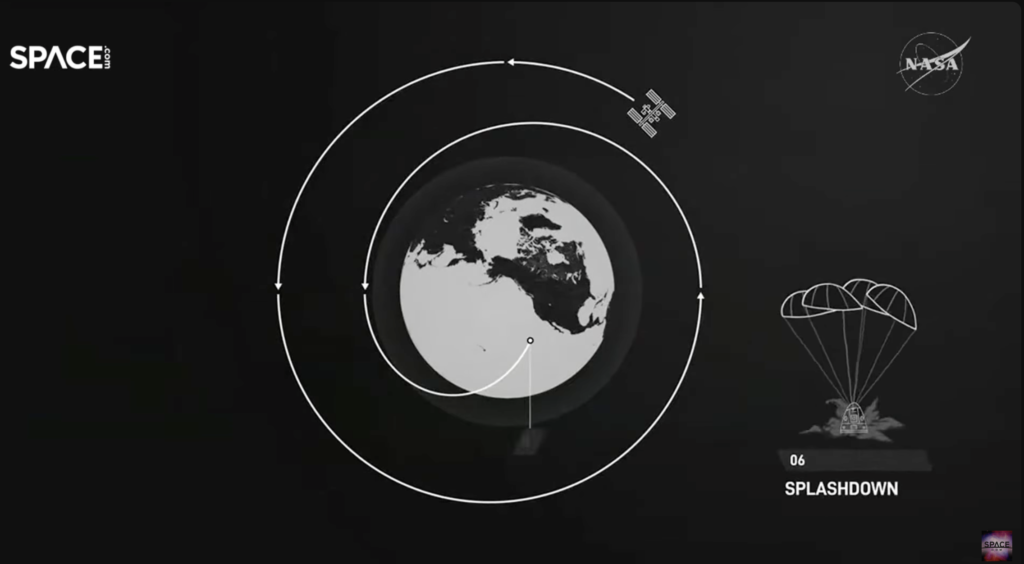
2:51 a.m. ET:Deorbit burn begins; the spacecraft fires its thrusters for several minutes to re-enter the atmosphere.
3:31 a.m. ET: Dragon trunk jettisoned.
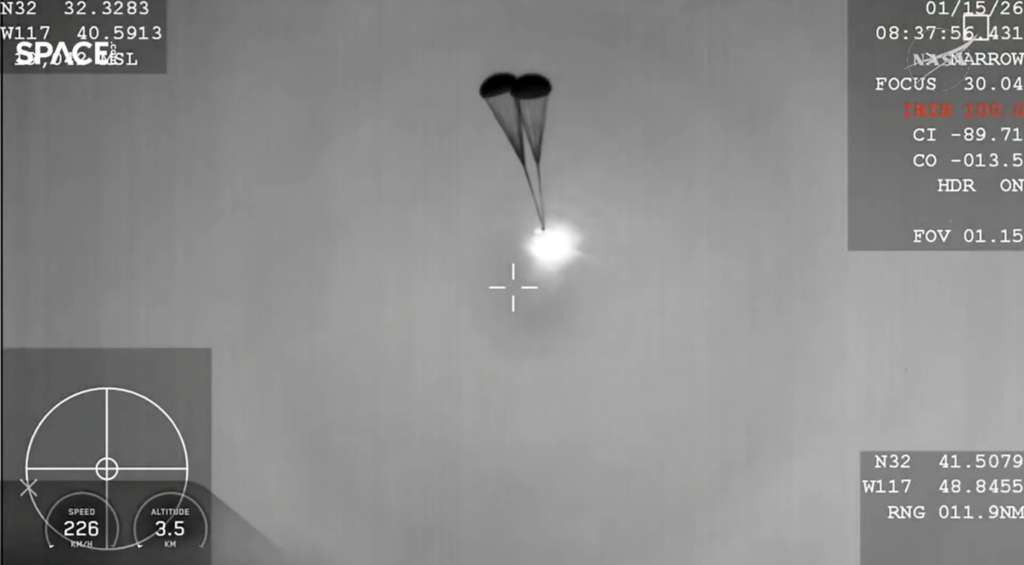
3:36 a.m. ET: Drogue parachutes deploy to begin slowing the descent.
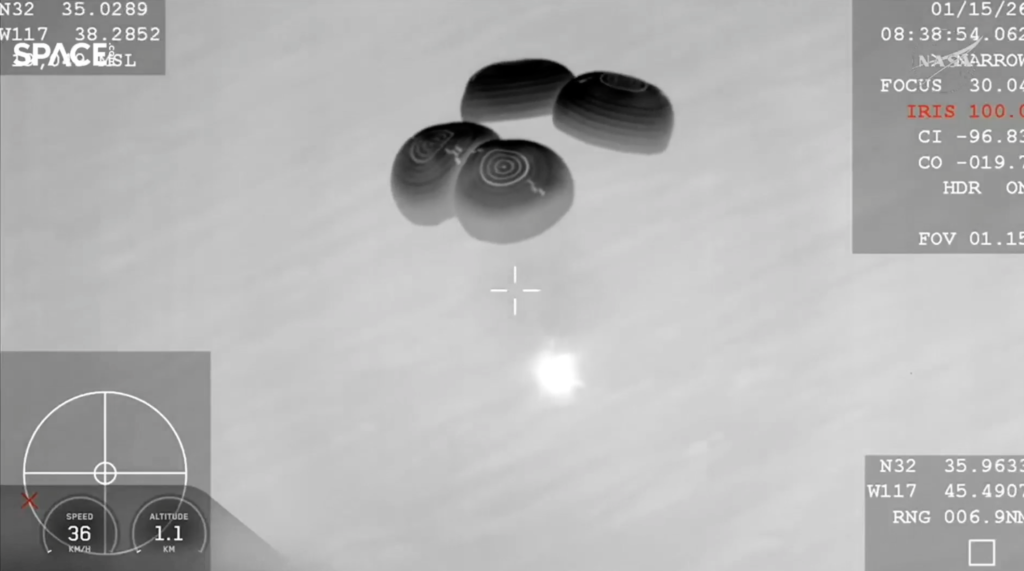
3:38 a.m. ET: Main parachutes deploy.
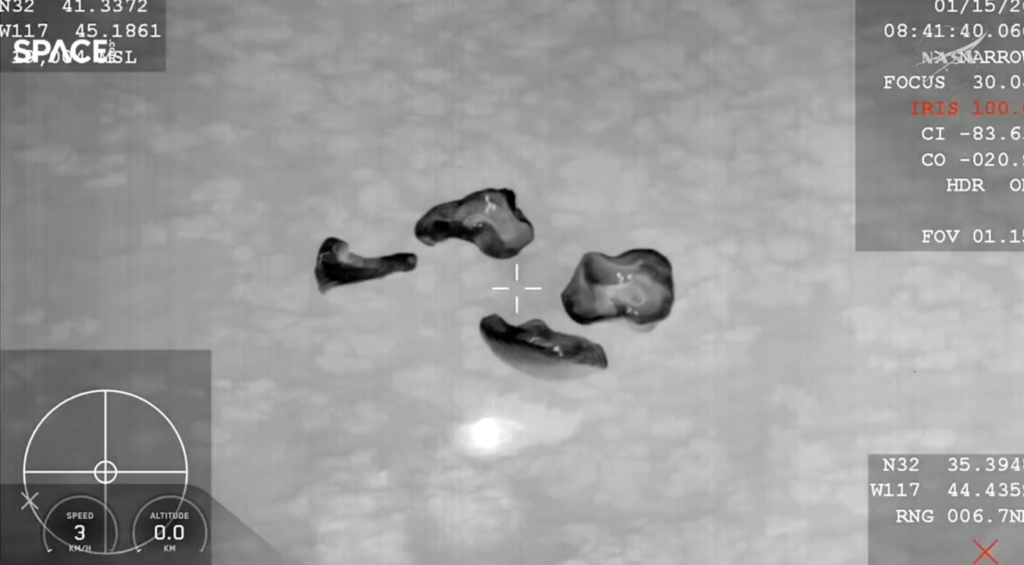
3:41 a.m. ET:Splashdown in the Pacific Ocean off the coast of San Diego, California.
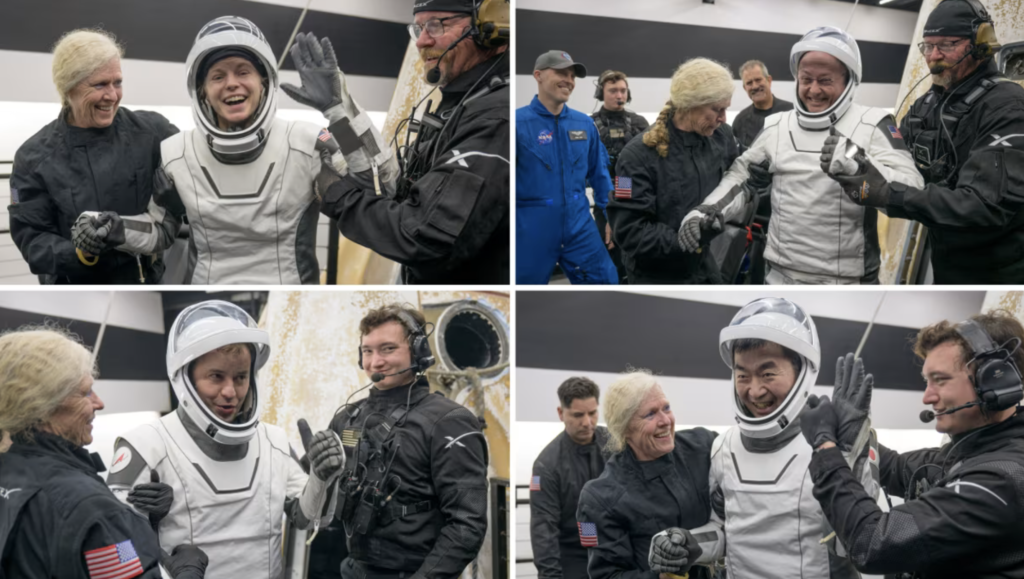
4:36 a.m. ET: All four crew members successfully egress the capsule.
5:45 a.m. ET: NASA/SpaceX post-landing media news conference.
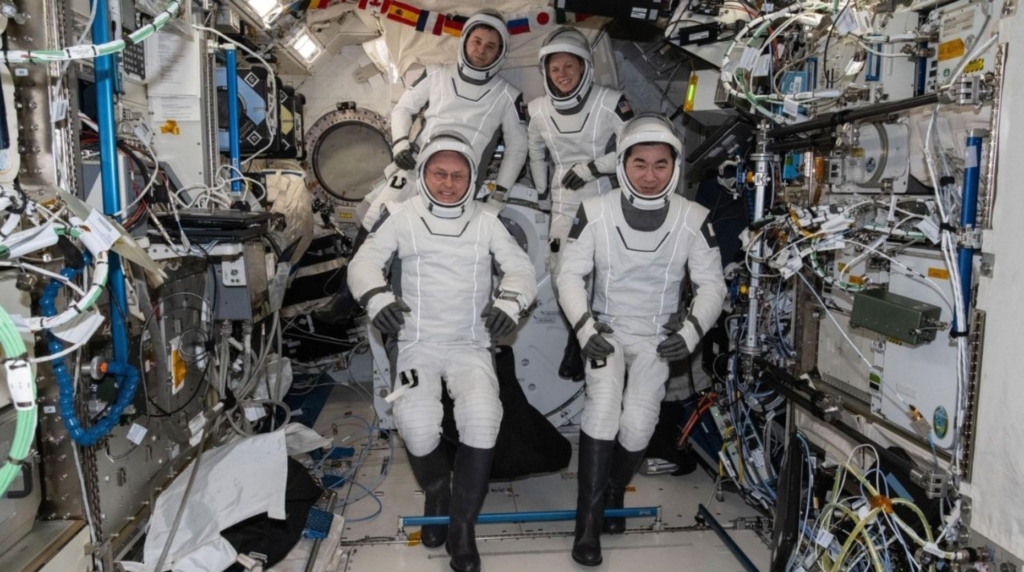
Crew 11 prepare to depart ISS
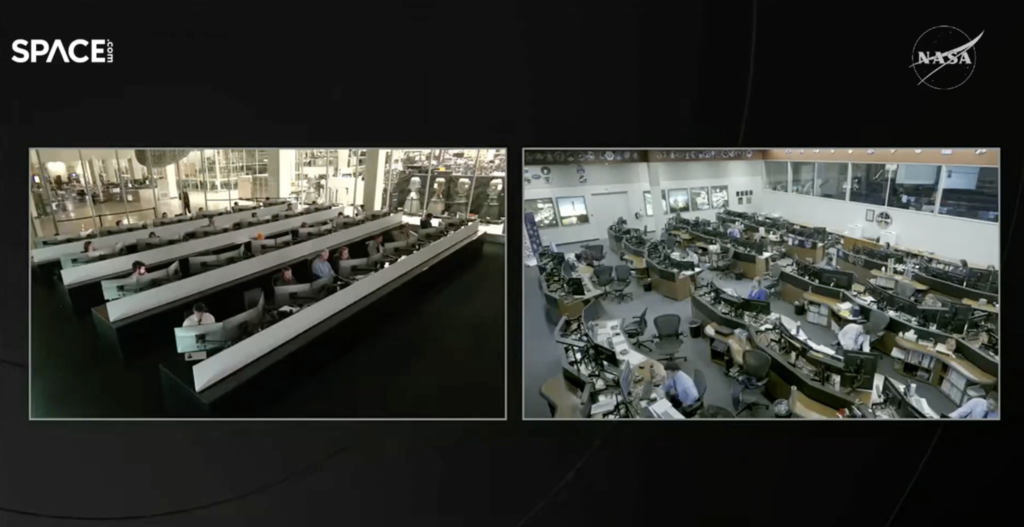
Left: SpaceX Hawthorne Right: NASA Mission Control
Reentry Trajectory
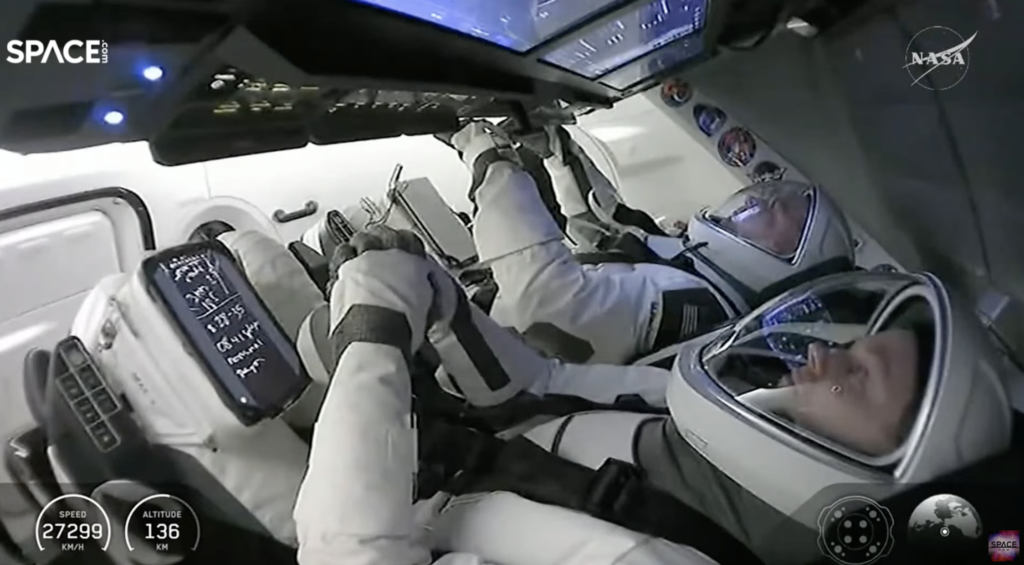
Crew Dragon interior
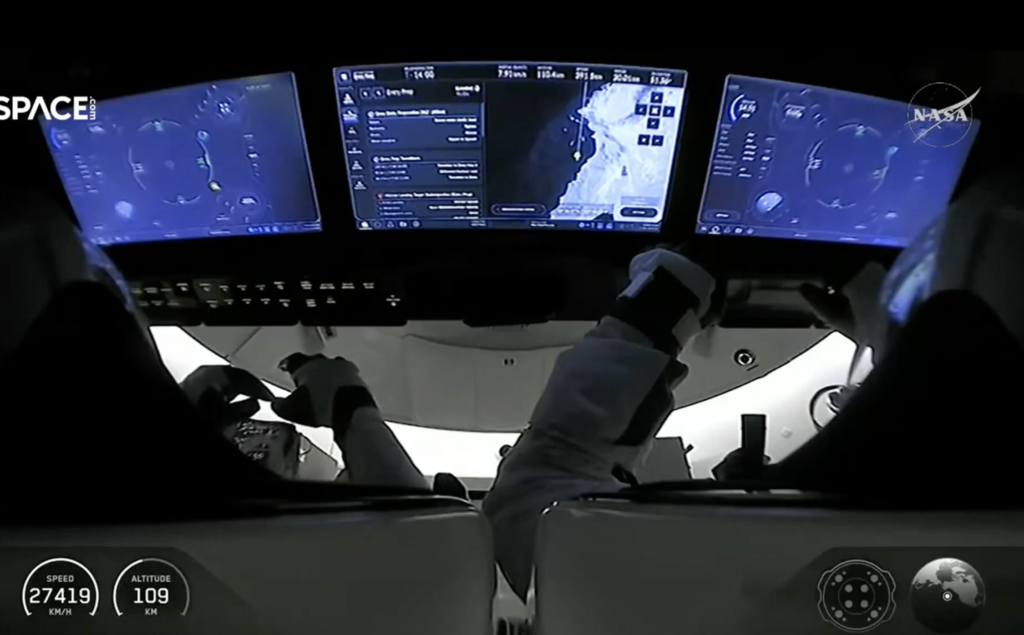
Crew Dragon Control Screens
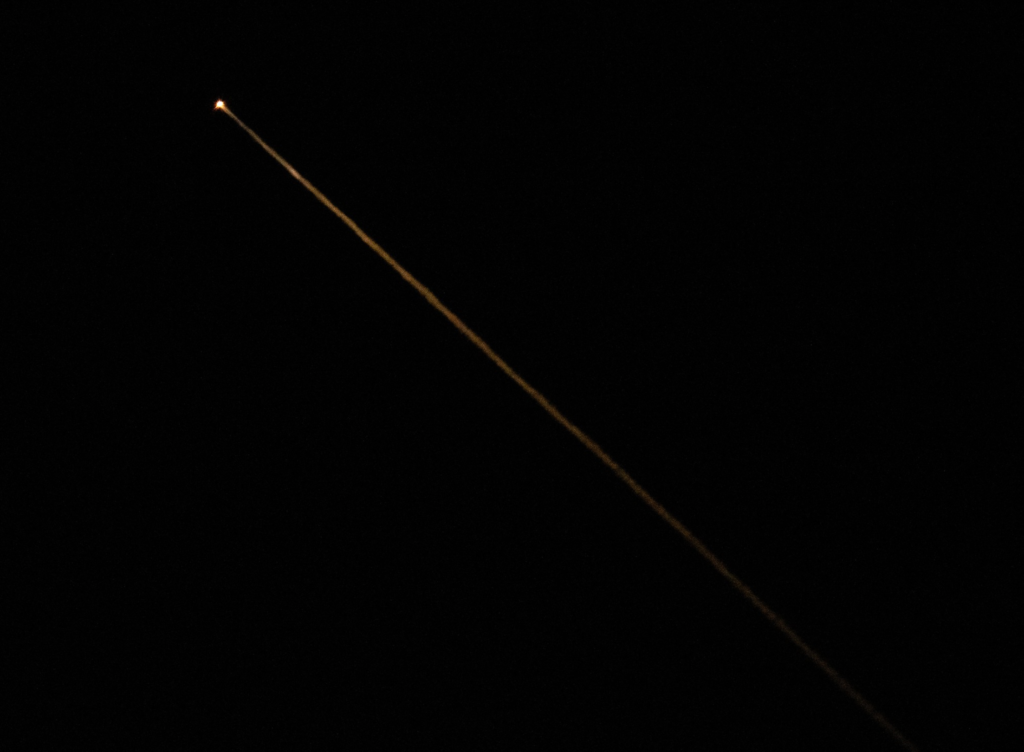
Reentry seen from Southern Caifornia
Drogue chute deployment
On the Mains!
Splashdown
(Clockwise from top left) NASA’s Zena Cardman and Mike Fincke, JAXA’s Kimiya Yui, and Roscosmos’ Oleg Platonov exit the SpaceX capsule after landing off California’s coast on Thursday. Bill Ingalls/NASA